Secret Benefits of Using Metal Castings Throughout Different Fields
Metal castings act as a vital component in numerous industries, using unique benefits that enhance performance and efficiency. Their layout flexibility permits for elaborate forms, while their product homes contribute to overall sturdiness. Cost-effectiveness and sustainability more highlight their importance in contemporary manufacturing. As markets remain to evolve, comprehending the full range of advantages offered by metal castings becomes vital for calculated decision-making. What implications do these benefits hold for future innovations?
Improved Design Flexibility
Although standard manufacturing methods frequently impose restrictions on style complexity, steel castings use remarkable adaptability that enables detailed forms and functions. This adaptability allows designers to develop components that would certainly be tough or difficult to attain with various other methods. The spreading process, which includes pouring liquified steel right into molds, can fit a variety of geometries, making it ideal for varied applications varying from auto to aerospace.
The ability to produce both large and tiny components with detailed styles boosts the total capability of the items. Designers can enhance weight and performance by incorporating complex interior structures, such as cooling down channels or reinforcement ribs (Metal Castings). In addition, metal spreadings can help with the consolidation of multiple features into a solitary component, decreasing the demand for setting up and minimizing prospective factors of failure. The boosted design flexibility of steel castings not just cultivates development however also contributes substantially to effectiveness in making procedures.
Enhanced Product Properties
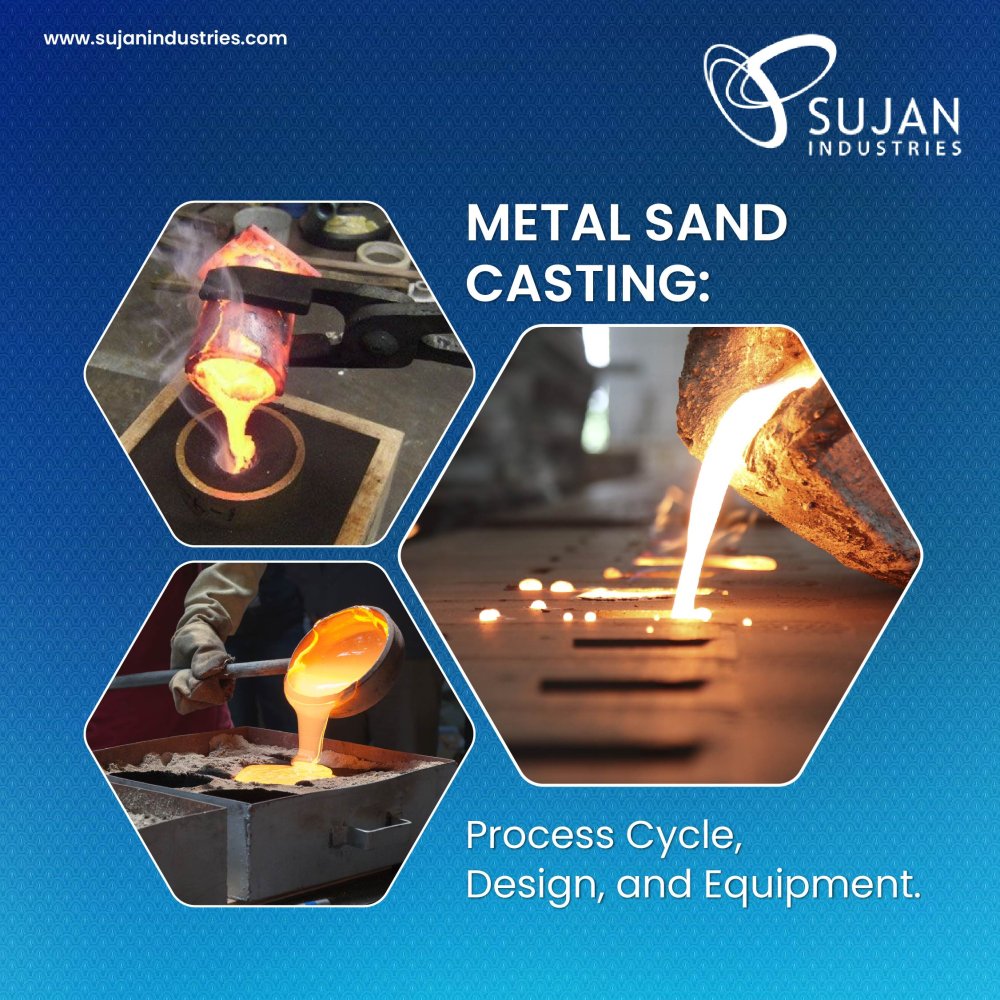
When taking into consideration the benefits of steel spreadings, one of the most significant benefits lies in their improved material residential properties. Steel castings frequently display improved stamina and longevity contrasted to various other producing approaches. This enhanced strength is credited to the controlled air conditioning process during spreading, which allows for a consistent microstructure. As a result, cast metals can endure greater levels of stress and fatigue, making them ideal for requiring applications.
Steel spreadings supply remarkable rust resistance, particularly when alloys are used to enhance efficiency in rough settings. This characteristic expands the life-span of elements and decreases the need for frequent replacements. Furthermore, the capacity to develop complicated shapes without jeopardizing structural stability additionally improves the capability of cast components. Industries varying from vehicle to aerospace benefit from the dependable and durable nature of steel castings, making certain peak efficiency and safety and security in their applications.
Cost-Effectiveness and Lowered Waste
Steel castings provide a considerable benefit regarding cost-effectiveness and reduced waste, matching their boosted product homes. Conventional production methods frequently need substantial machining and ending up procedures, which can produce significant scrap material and sustain high labor prices. In contrast, steel casting permits the production of intricate shapes in a single process, minimizing the demand for additional processing and reducing product waste.
In addition, steel casting uses molds that can be recycled several times, even more lowering manufacturing expenses with time. The capability to cast intricate styles also suggests that manufacturers can achieve better style flexibility without endangering on quality, thereby staying clear of costly redesigns. In general, the cost-effectiveness of metal castings not just benefits producers by decreasing expenditures but also supports sustainability initiatives by lowering waste. This dual benefit makes metal castings a preferred choice throughout various markets, consisting of automobile, aerospace, and construction
Raised Manufacturing Efficiency
Boosted manufacturing efficiency is a significant advantage of metal spreadings, as it assists in streamlined manufacturing processes. By enhancing these procedures, firms can effectively reduce material waste and attain faster turnaround times. This combination not only boosts performance however also adds to total operational excellence.
Structured Manufacturing Processes
As making needs progress, the adoption of structured processes ends up being important for enhancing production efficiency. Metal castings play a pivotal duty in attaining this objective by facilitating faster production cycles and reducing preparations. Their integral layout adaptability allows manufacturers to produce complex forms with marginal setting up demands, thus simplifying workflows. Advanced spreading techniques, such as precision spreading and 3D printing, add to higher precision and uniformity, additional enhancing operations. By incorporating metal spreadings into producing processes, business can achieve better automation, which reduces hands-on intervention and accelerates throughput. Structured processes not only boost efficiency however likewise make it possible for makers to respond swiftly to market adjustments, making sure competitiveness in a significantly dynamic landscape.
Minimized Product Waste
Decreasing product waste is a critical advantage of using steel castings in production. This process enables near-net-shape production, where parts are created with very little excess product. By employing metal spreading techniques, makers can substantially lower the amount of scrap created compared to conventional machining approaches. Consequently, this decrease in waste not just conserves basic materials but also reduces expenses related to product purchase and disposal. Furthermore, much less waste adds to more sustainable manufacturing techniques, aligning with ecological objectives. The efficiency achieved through metal castings improves total manufacturing processes, making it possible for firms to optimize source usage while preserving high quality requirements. This calculated technique eventually causes enhanced economic performance and a lowered ecological impact, benefiting both producers and society at big.
Faster Turnaround Times
Faster turnaround times stand for a notable advantage in the domain name of steel spreadings, improving general production efficiency. By streamlining the spreading procedure, producers can considerably minimize preparations, enabling quicker shipment of completed products. This efficiency is specifically beneficial in markets that demand quick feedback to market changes, such as aerospace and vehicle industries. The ability to generate elements swiftly not just satisfies customer assumptions however also decreases downtime in assembly line. Additionally, advancements in modern technology, such as enhanced mold layout and automation, add to these expedited processes. Faster turn-around times in metal spreading not only bolster functional output yet also supply an affordable edge, making it possible for companies to respond quickly to progressing consumer demands and minimizing the risk of obsolescence.
Superior Stamina and Resilience
While different products contend for preeminence in manufacturing, metal spreadings consistently demonstrate premium strength and sturdiness, making them an excellent selection for numerous applications. The innate homes of steels, such as their high tensile strength and resistance to wear, ensure that spreadings can hold up against extreme operational conditions without failing. This resilience equates right into longer service lives for components, minimizing the regularity of substitutes and upkeep.
The capacity to develop intricate geometries with steel castings allows producers to design parts that maximize stamina without including unneeded weight. This is especially beneficial in markets that focus on efficiency and effectiveness, such as aerospace and vehicle. In addition, metal castings show superb resistance to severe temperatures and harsh settings, enhancing their applicability in challenging setups. In general, the superior strength and sturdiness of metal castings place them as a foundational material in design, adding to the integrity and long life of various products and systems.
Flexibility Throughout Industries
The integral strength and longevity of metal castings make them a functional choice across a wide variety of sectors. From vehicle manufacturing, where precision-engineered elements are necessary for performance and safety and security, to aerospace, where lightweight yet robust components are important for trip, metal spreadings play a considerable duty. In the building sector, castings are employed in architectural components Extra resources and structural structures, guaranteeing long life and stability. The power industry uses steel castings in equipment and equipment, assisting in reliable operations in power generation and renewable resource systems. In addition, the clinical field benefits from custom castings made use of in medical instruments and gadgets, stressing the need for dependability. This flexibility allows producers to satisfy one-of-a-kind specifications and regulative needs, improving item performance and efficiency. In general, the flexibility of metal spreadings places them as a vital source across different markets, driving innovation and effectiveness.
Contribution to Lasting Practices
Metal castings play a considerable duty in advertising lasting techniques via their source reusing effectiveness. By lessening waste generation and applying power preservation approaches, the spreading procedure shows a commitment to environmental obligation. This method not just advantages suppliers however also contributes favorably to the more comprehensive ecosystem.
Resource Recycling Performance
Stressing resource recycling performance, steel castings play an important duty in sustainable techniques by decreasing waste and decreasing the need for new raw materials. The process of reusing metals is extremely efficient; it enables for the reuse of scrap materials, which can be thawed down and reformed into brand-new castings. This practice not just saves power however additionally decreases environmental impact by minimizing the requirement for mining and extraction tasks. Furthermore, recycled metal preserves its intrinsic homes, ensuring that the top quality of spreadings remains high. This way, markets that include recycled metals add considerably to a circular economic situation, promoting sustainability while simultaneously lowering costs related to basic material purchase. Aluminum Foundry. This efficient usage of sources exhibits a commitment to green manufacturing practices
Decreased Waste Generation
Decreasing waste generation is an essential aspect of promoting sustainable techniques within the metal casting sector. By optimizing manufacturing strategies and making use of advanced modern technologies, manufacturers can markedly reduce scrap and malfunctioning products. Techniques such as precision spreading and near-net form processes permit for better product utilization, directly lowering the volume of waste created. In addition, the incorporation of recycled metals into the spreading procedure not just lowers the demand for virgin products yet also adds to a circular economic climate. This method lines up with ecological laws and customer assumptions for lasting methods. Lowered waste generation not just profits the setting however also improves operational efficiency, ultimately leading to set you back financial savings for business in numerous industries leveraging metal spreadings.

Energy Preservation Techniques
Maximizing energy consumption is a reference crucial component of sustainable techniques in the metal casting sector. By executing innovative technologies and techniques, such as regenerative home heating systems and energy-efficient furnaces, firms can substantially reduce energy use throughout production. Furthermore, utilizing computer-aided layout (CAD) software enables accurate modeling, lessening product waste and power expense. Making use of scrap metal recycling even more saves power, as it calls for less energy compared to creating new steel. Sector leaders are significantly adopting sustainable energy resources, such as solar and wind power, to reduce their carbon footprint. These energy conservation methods not only enhance operational efficiency but also add to the total sustainability of the steel spreading market, aligning with global environmental objectives and lowering dependence on fossil gas.
Often Asked Concerns
What Industries Many Typically Make Use Of Steel Spreadings?
Industries that typically utilize metal spreadings include auto, building and construction, aerospace, and manufacturing. These markets count on steel castings for producing components that call for stamina, toughness, and accuracy to meet their operational needs and requirements.
How Does Metal Casting Contrast to Various Other Manufacturing Processes?
Steel casting offers benefits such as design flexibility and complicated shape development, differentiating it from various other making processes. Unlike machining, it successfully produces big amounts, making it suitable for various markets calling for resilient elements.
What Sorts of Metals Are Typically Made Use Of in Castings?
Common steels made use of in castings consist of aluminum, iron, steel, and bronze. Each steel supplies unique homes, making them ideal for numerous applications in sectors such as vehicle, aerospace, and building, amongst others.
Are There Any Environmental Worry About Steel Spreading?
Ecological interest in metal casting include air and water contamination from exhausts and waste, energy usage, and resource deficiency. Lasting techniques, such as recycling and utilizing cleaner modern technologies, can minimize these unfavorable influences in the industry.
How Can I Choose the Right Casting Method for My Project?
To choose the right spreading approach, one need to consider elements such as the material kind, intricacy of the style, production helpful resources volume, budget restraints, and wanted surface area coating, making sure alignment with job demands and objectives.
Steel castings present a significant advantage concerning cost-effectiveness and decreased waste, matching their enhanced product buildings. Advanced spreading methods, such as precision spreading and 3D printing, contribute to higher precision and consistency, further maximizing procedures. Decreasing product waste is a crucial benefit of using metal castings in manufacturing. Highlighting resource recycling efficiency, steel spreadings play a necessary function in sustainable practices by lowering waste and decreasing the demand for new raw products. Furthermore, the incorporation of recycled steels into the casting process not just lowers the demand for virgin products however also adds to a circular economy.